
Senate Ukraine Champions Methodology
Senate’s Ukraine Champions
-
![]()
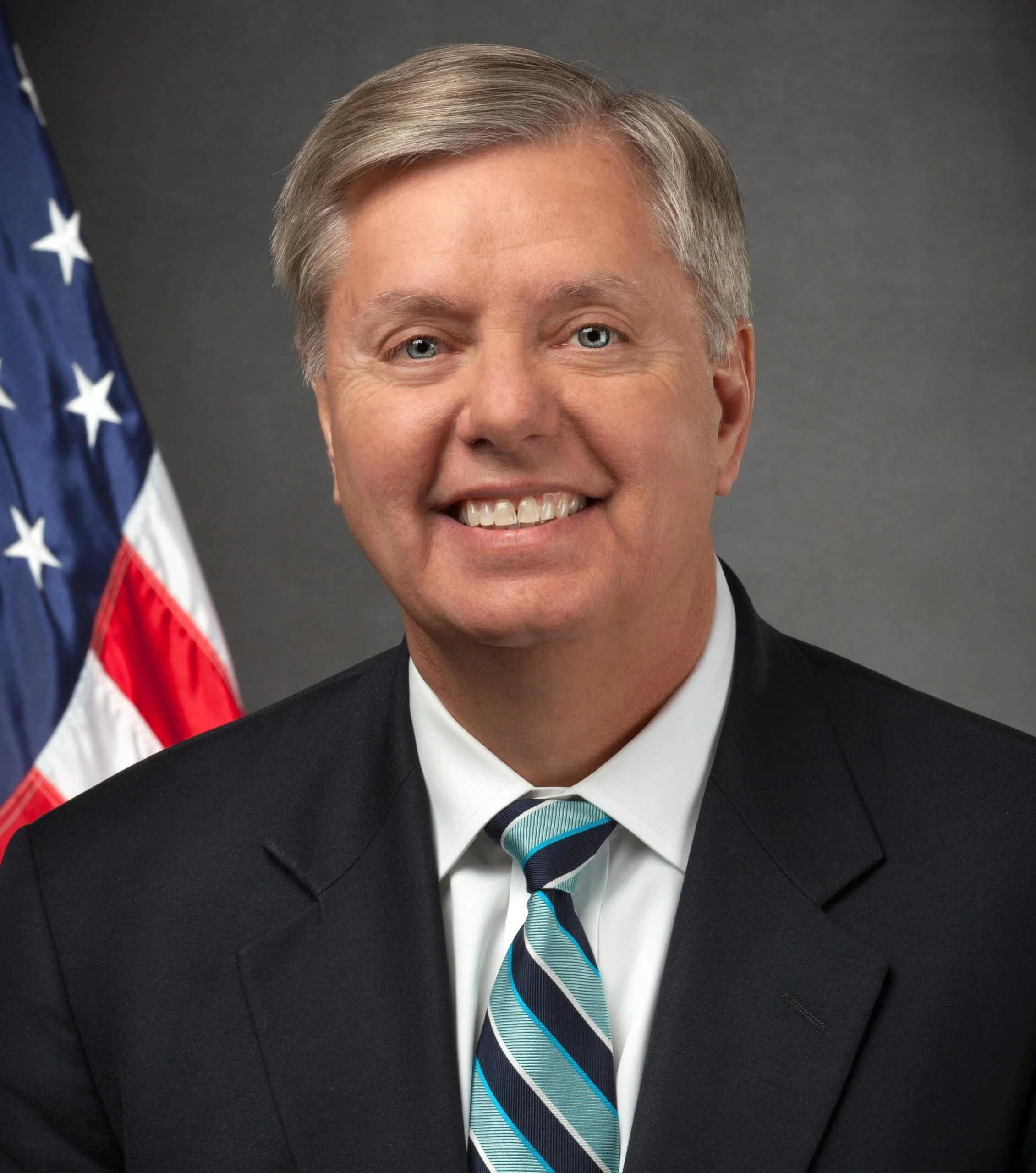
Lindsey Graham
(R-SC)
-
![]()
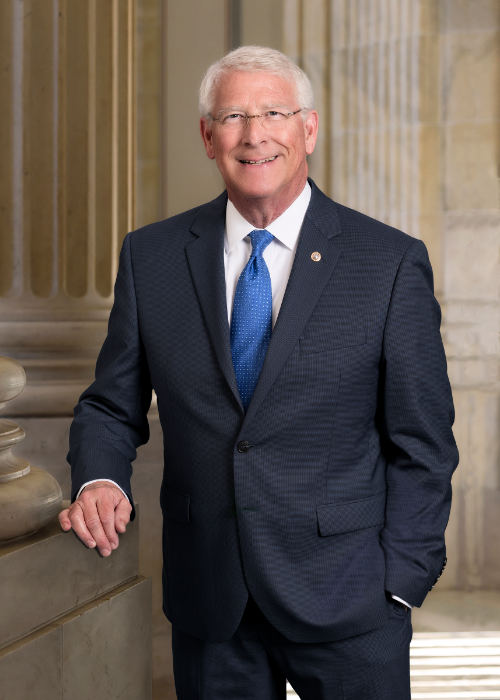
Roger Wicker
(R-MS)
-
![]()
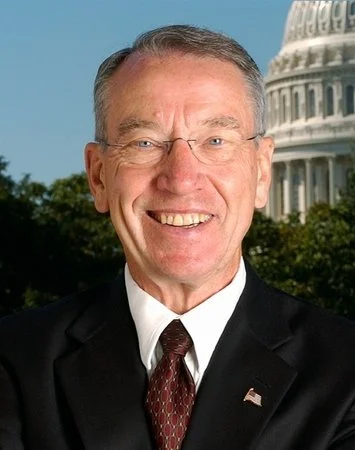
Chuck Grassley
(R-IA)
-
![]()
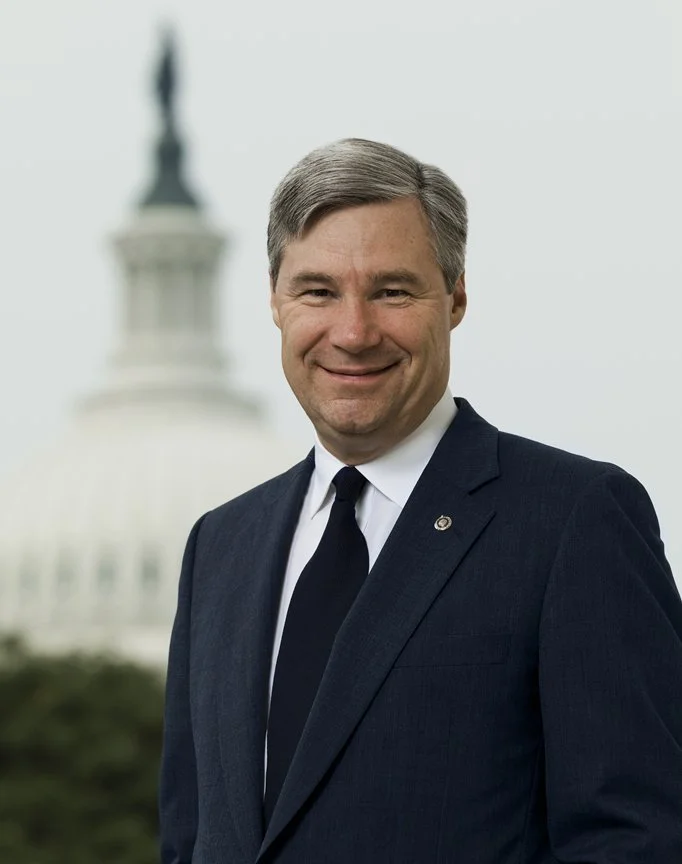
Sheldon Whitehouse
(D-RI)
Methodology Overview
Senate Ukraine Champions were selected using a comprehensive, data-driven congressional ranking system and then refined through a Senate-specific champion filter. Each Member was evaluated across three core dimensions:
Support for Ukraine (0–10)
Power and Influence in Congress (0–13)
Safety of Seat (0–4)
for a maximum composite score of 27 points.
Finally, Senate Ukraine Champions were selected using a comprehensive, data-driven congressional ranking system and then refined through a Senate-specific champion filter.
Ukraine Champions were selected from top-ranking Members who meet elevated thresholds for overall score, demonstrate clear and consistent support for Ukraine, hold meaningful institutional influence, maintain secure seats, and are running for re-election. The result is a group of Senators who combine a strong pro-Ukraine record with the power and political durability to advance that support within Congress.
1. Support for Ukraine
~ was measured through a weighted report card based on votes on key Ukraine-related legislation, producing a baseline classification of negative, supporter, or strong supporter (0–3 points). Additional weight was assigned to legislative leadership, including sponsorship and co-sponsorship of key Ukraine bills (up to 7 points), with greater value given to primary sponsors of high-impact legislation.
2. Institutional influence
~ was assessed based on party status, leadership positions, and roles across key committees, subcommittees, and relevant entities. Priority was given to Senators serving on:
Appropriations:
Defense
State, Foreign Operations, and Related Programs
Armed Services:
Cybersecurity
Emerging Threats and Capabilities
Foreign Relations:
Multilateral International Development, Multilateral Institutions, and International Economic, Energy, and Environmental Policy
Finance:
Energy, Natural Resources, and Infrastructure
Intelligence
Budget.
Additional weight was assigned to participation in the Ukraine Caucus and the Helsinki Commission, which are treated as equivalent to subcommittee-level influence.
4. Legislative engagement
~ was evaluated against a defined set of key Ukraine-related bills, including:
S.3513: Decreasing Russian Oil Profits Act
S.2978: State Sponsor of Terrorism Act
S.2918: REPO Implementation Act
S.2904: SHADOW Fleet Sanctions Act
S.2657: STOP China and Russia Act
S.2119: Abducted Ukrainian Children Accountability Act
S.1490: GHOST Act
S.1364: Supporting American Allies Act
S.1241: Sanctioning Russia Act
S.Res. 236: Resolution on Abducted Ukrainian Children
3. Electoral security
~ was incorporated to reflect political durability:
Senators up for re-election in 2030 receive the highest score, followed by those in 2028, while those up in 2026 are scored based on race competitiveness (Safe, Likely, Lean, Toss-up).