
House Ukraine Champions Methodology
The House of Representatives’ Ukraine Champions
-
![]()
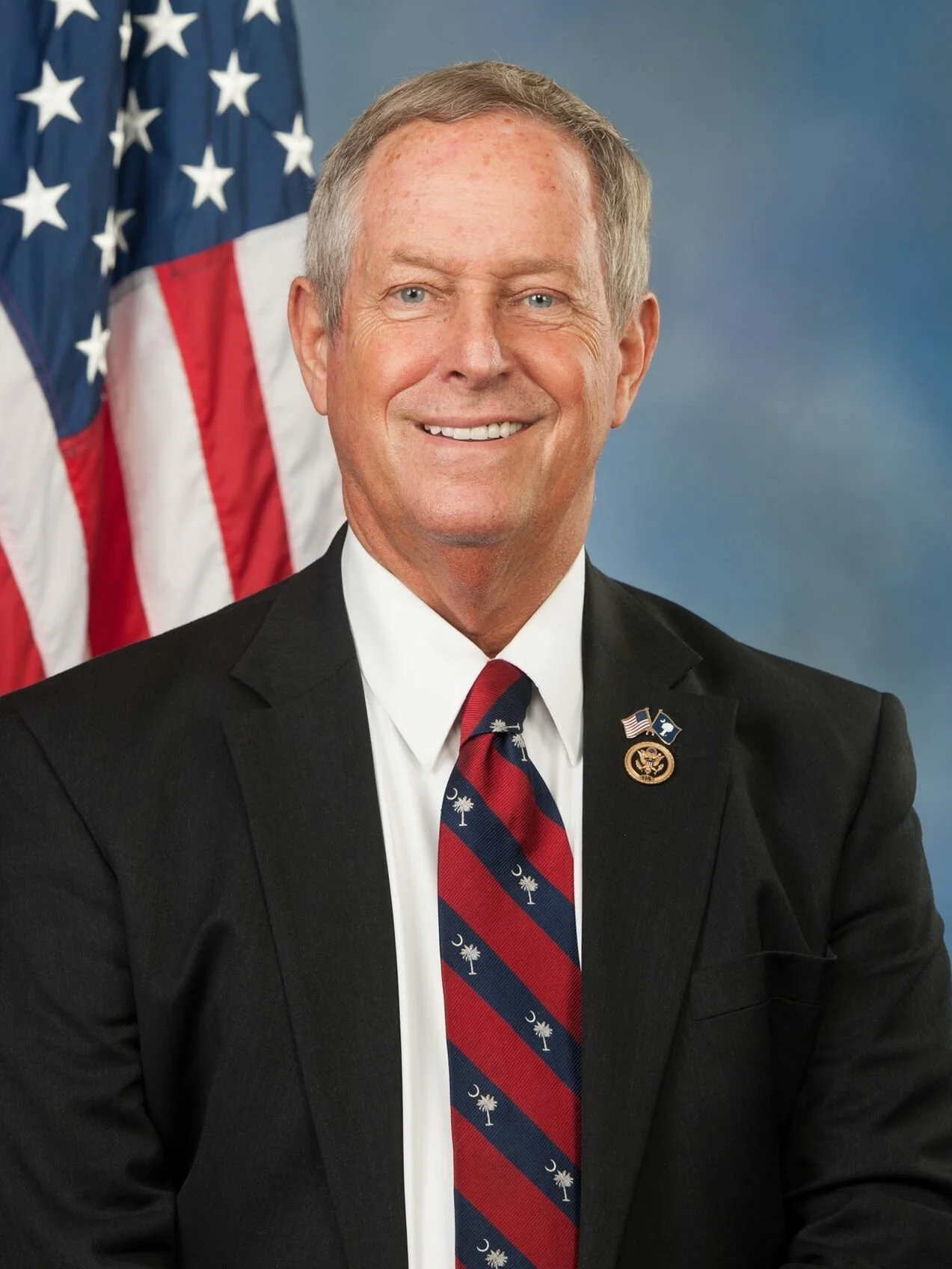
Joe Wilson
(R-SC-02)
-
![]()
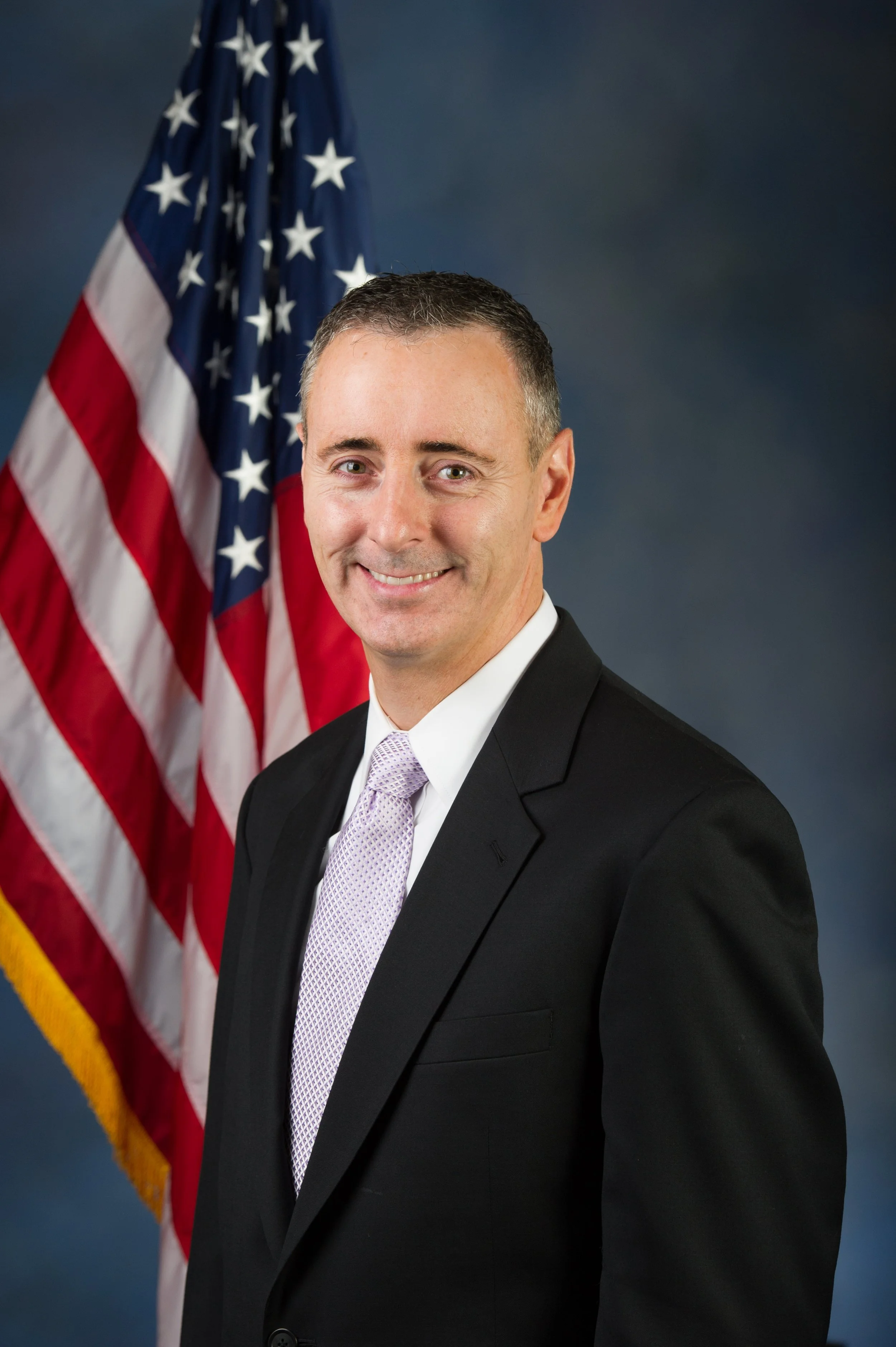
Brian Fitzpatrick
(R-PA-01)
-
![]()
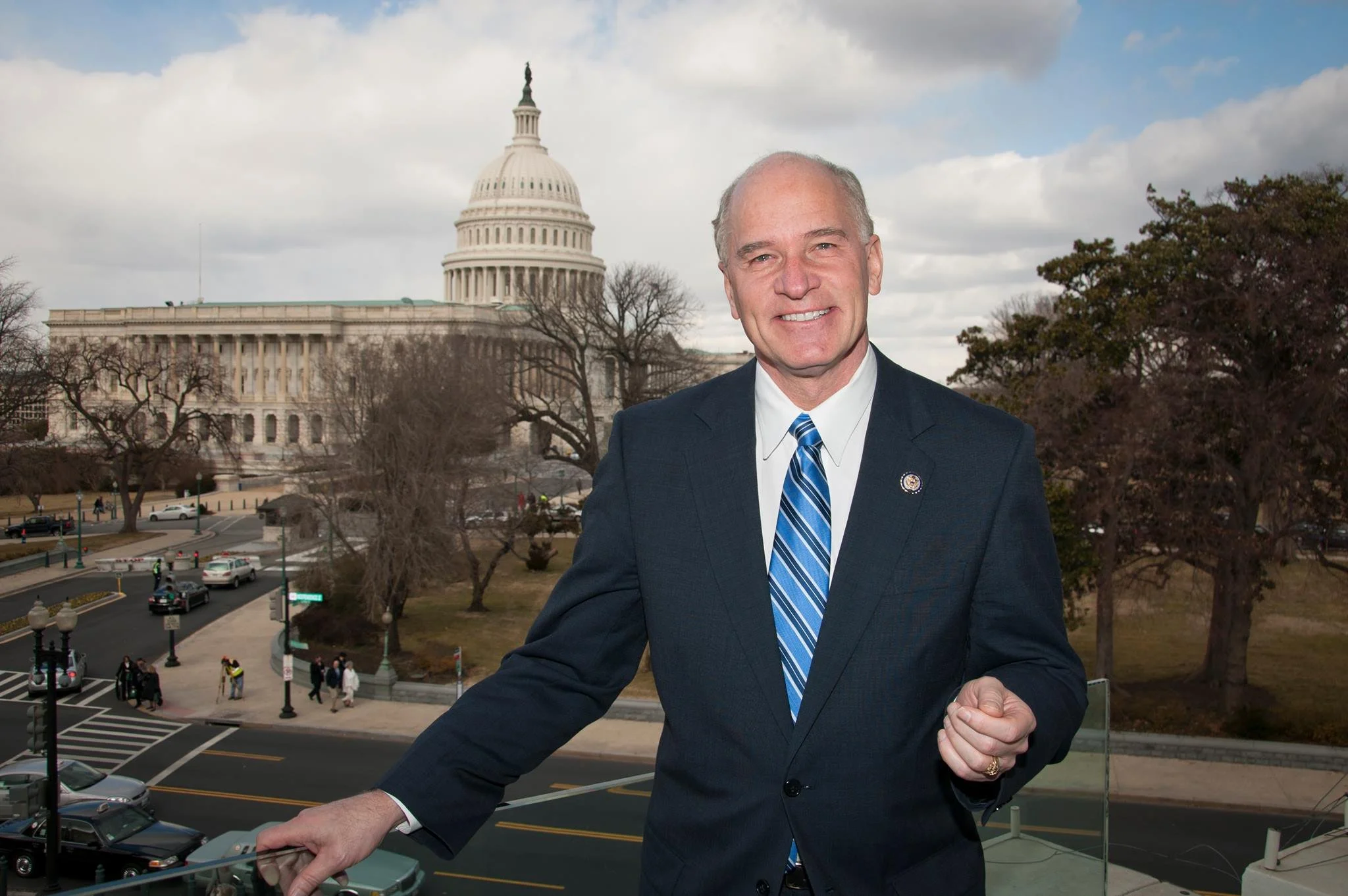
Bill Keating
(D-MA-09)
-
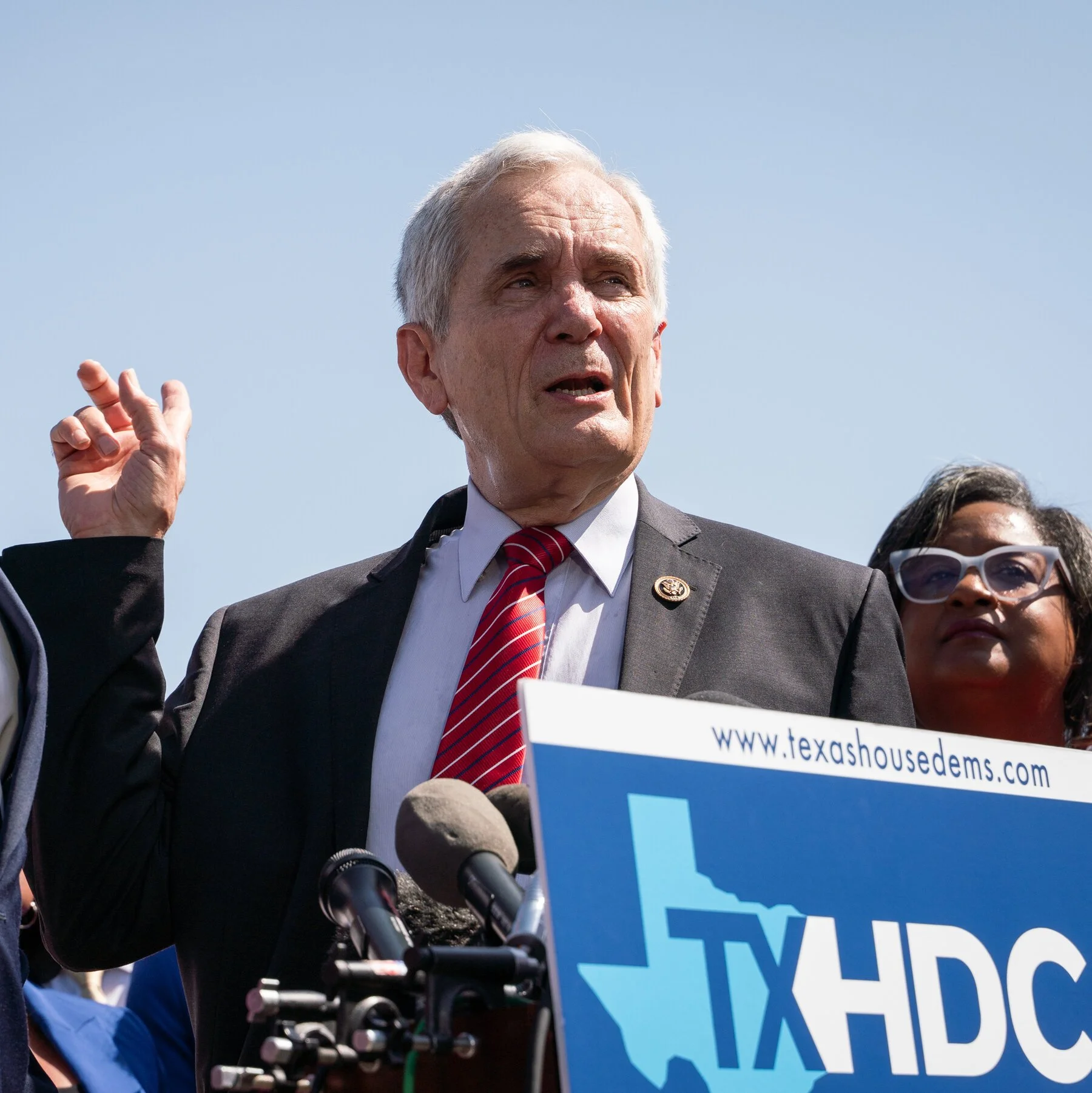
![]()
Lloyd Doggett
(D-TX-37)
Methodology Overview
House Ukraine Champions were selected using a comprehensive, data-driven congressional ranking system and then refined through a House-specific champion filter.
Each Member was evaluated across three core dimensions:
Support for Ukraine(0–10)
Power and Influence in Congress (0–13)
Safety of Seat (0–4)
for a maximum composite score of 27 points.
Finally, Ukraine Champions were selected from top-ranking Members who meet elevated thresholds for overall score, demonstrate clear and consistent support for Ukraine, hold meaningful institutional influence, maintain secure seats, and are running for re-election.
The result is a group of Representatives best positioned to both support and deliver meaningful outcomes for Ukraine in the House of Representatives.
1. Support for Ukraine
~ was measured through a weighted report card based on votes on key Ukraine-related legislation, producing a baseline classification of negative, supporter, or strong supporter (0–3 points). Additional weight was assigned to legislative leadership, including sponsorship and co-sponsorship of key Ukraine bills (up to 7 points), with greater value given to Members leading priority legislation.
2. Institutional influence
~ was assessed based on party status, leadership positions, and roles across key committees, subcommittees, and relevant entities. Priority was given to Members serving on:
Appropriations:
Defense
National Security, Department of State, and Related Programs
Financial Services:
National Security, Illicit Finance, and International Financial Institutions
Armed Services:
Cyber, Information, and Innovation
Foreign Relations:
Europe
Intelligence
Budget
Additional weight was assigned to participation in the Ukraine Caucus, the Helsinki Commission, and the Select Committee on the Chinese Communist Party, which are treated as equivalent to subcommittee-level influence.
4. Legislative engagement
~ was evaluated against a defined set of key Ukraine-related bills, including:
H.R. 7506: Sanctions on Russian Crude Oil
H.R. 7095: Ending Importation of Laundered Russian Oil
H.R. 7094: No Aid for Russian Energy Act
H.R. 6856: Peace Through Strength Against Russia Act
H.R. 5835: REPO Implementation Act
H.R. 5797: State Sponsor of Terrorism Act
H.R. 4346: PEACE Act of 2025
H.R. 3104: Ukrainian Adjustment Act
H.R. 2622: Russia–North Korea Cooperation Sanctions Act
H.R. 2548: Sanctioning Russia Act
H.R. 2505: Drone Technology Restrictions Act
H.R. 2118: Protecting Guests During Hostilities Act
H.R. 1949: LNG Potential Act
H.R. 1677: Stop Russian Market Manipulation Act
H.R. 1601: Defending Ukraine’s Territorial Integrity Act
H.R. 1486: Economic Espionage Prevention Act
H.R. 1158: Freedom First Lend-Lease Act
H.R. 947: Non-Recognition of Russian Annexation Act
H.R. 476: No Russian Tunnel to Crimea Act
H.R. 475: Sanction Russian Nuclear Safety Violators Act
H.R. 436: G7 Participation Restrictions
H.Res. 564: Resolution on Abducted Ukrainian Children
3. Electoral security
~ was incorporated using Cook Political Report race ratings, with Safe, Likely, Lean, and Toss-up categories determining seat strength.